

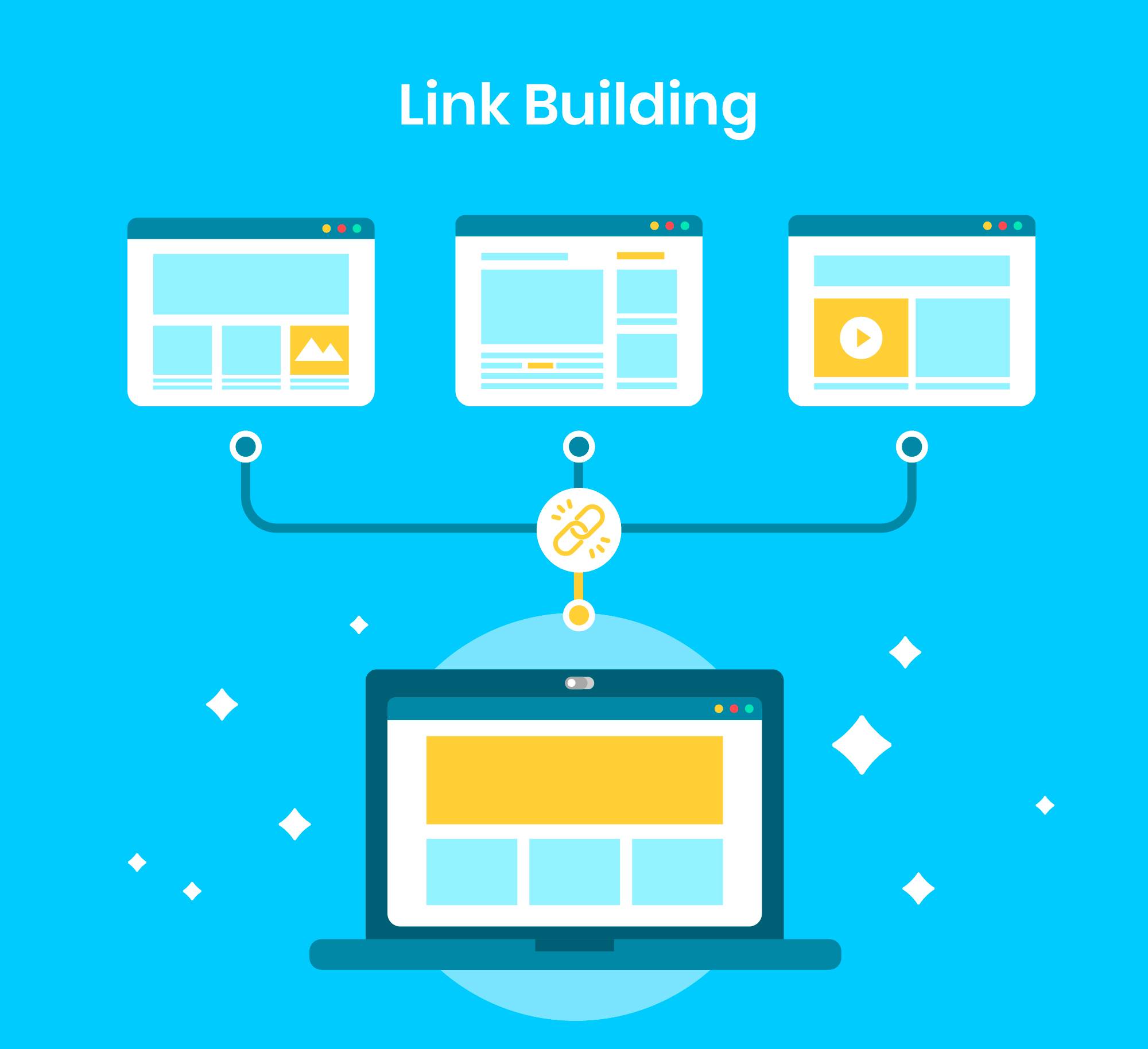
Link building is still one of the most powerful levers in search engine optimisation (SEO). Search engines treat links from other sites as endorsements, and the number, quality and relevance of those endorsements go a long way towards deciding where you rank. The tactics have changed a lot, though. Directory submissions and link exchanges used to be enough; today, success depends on earning links that are genuinely relevant, well placed and hard to fake.
This guide walks through the strategies that actually move the needle in 2026: using HARO (Help a Reporter Out) to win coverage on authoritative sites, the basics every UK beginner needs to get right, and the local link building tactics that help businesses win in their own postcode. Get these right, and you’ll see the payoff in visibility, referral traffic and long-term authority.
Chapter 1: Link Building Fundamentals
What Link Building Actually Means
At its core, link building is the process of getting other websites to link back to yours. Each link acts as a small vote of confidence, telling search engines that someone out there considers your content worth pointing to. But not every vote counts the same. A link from a well-established, relevant site carries far more weight than one from a low-quality or spammy source — and in some cases, a bad link can do more harm than good.
That’s why the goal was never “more links”. It’s the right links: ones from sites your audience already trusts, on topics related to your own.
Setting Goals Before You Start
Jumping straight into outreach without a plan is one of the most common mistakes businesses make. Before you send a single pitch, decide what you’re actually trying to achieve:
- Domain authority — building overall trust and ranking power for the whole site
- Traffic — driving qualified visitors through referral links
- Keyword rankings — supporting specific pages you want to rank higher
Clear objectives make it much easier to judge whether a campaign is working, and they stop you chasing links that look impressive but don’t actually serve the business.
Chapter 2: HARO Link Building
What Is HARO?
Help a Reporter Out (HARO) connects journalists and bloggers with expert sources for their stories. When you respond to a relevant query, you’re not just getting a mention — you’re often earning a backlink from an established news site or publication. Because these are sites search engines already trust, HARO links tend to carry real authority, and they can lend genuine credibility to your brand in the process.
How to Actually Win With HARO
HARO rewards speed and relevance. A few habits make the difference between being ignored and being quoted:
- Sign up for the daily email digests and scan them for queries that match your genuine expertise.
- Reply fast. Journalists often work to same-day deadlines, so a same-day response has a much better chance than one sent tomorrow.
- Keep pitches short and useful. Lead with the answer, not a biography. Journalists want a usable quote, not a sales pitch.
- Only respond when you have something to say. Generic or padded answers get skipped, and repeated low-value pitches can hurt your credibility with a journalist over time.
Getting More Out of HARO Long-Term
The biggest wins on HARO come from relationships, not one-off replies. If a journalist uses your quote, send a short thank-you and let them know you’re happy to help again in future. Journalists often go back to sources who were reliable and easy to work with — which means you can end up getting requests directly, skipping the crowded HARO inbox altogether. Consistency is what builds that reputation, so treat every response as an audition for the next one.
Chapter 3: Link Building Tips for Beginners in the UK
Understanding the UK Digital Landscape
The UK market has its own quirks: regional differences in search behaviour, a highly competitive online space, and an audience that responds well to content that feels locally relevant rather than generic. If you’re new to link building, it pays to understand these nuances early, including how local SEO fits into the bigger picture. Getting this right helps you show up where your actual customers are searching, rather than competing in a much broader (and tougher) global pool.
Foundational Strategies to Start With
You don’t need anything complicated to get started — just the basics done well:
- Create genuinely useful, locally relevant content that speaks to the interests of a UK audience.
- Build local citations by listing your business accurately in UK-specific directories.
- Guest post on UK-based websites, but only where the content is genuinely valuable to their readers — a relevant, well-written guest post earns a link naturally; a thin one gets rejected (or ignored by search engines anyway).
These fundamentals won’t win you links overnight, but they build the base that every later strategy relies on.
Chapter 4: Local SEO Link Building in the UK
Why Local Links Matter
If your customers are in a specific town, city or region, local links matter more than almost anything else. A mention from a local news outlet, a community blog or a regional business directory tells search engines that you’re a genuine, relevant part of that community — not just a business with a website. The payoff shows up in local search results, and often in foot traffic too.
Where to Find Local Link Opportunities
Local links rarely come from cold outreach alone. They tend to come from actually being present in your local business community:
- Sponsoring local events or charities
- Collaborating with local influencers or bloggers
- Taking part in community events and initiatives
- Contributing to local online forums and community groups
Each of these puts you in front of people who are already inclined to mention or link to businesses they’ve interacted with.
Building Links Through Local Partnerships
Other local businesses are often your best link building allies. Co-hosting an event, contributing to a joint marketing campaign, or simply agreeing to feature each other’s businesses can produce links that feel — and are — completely natural. These partnerships do more than build links, too: they strengthen your standing in the local business community, which tends to open doors to further opportunities down the line.
Chapter 5: Creative Link Building Strategies
Interactive Content That Earns Links on Its Own
Quizzes, polls, infographics and interactive maps tend to attract links naturally, simply because people enjoy sharing them. If you create something genuinely useful or interesting — and promote it through social media and relevant industry forums — other sites are far more likely to link to it without you having to ask.
Testimonials and Reviews
Writing a genuine testimonial for a product or service you’ve actually used is an easy way to earn a link — many businesses will credit you with a backlink in return. The same works in reverse: encouraging reviews from happy customers or industry contacts can bring in extra backlinks, since people often link back to businesses when they mention them on their own sites or social profiles.
Social Media’s Indirect Role
Links shared on social media are usually nofollow, so they don’t pass SEO value directly. But that doesn’t mean they’re useless. Content that gets shared widely on social platforms often catches the attention of bloggers, journalists, and industry figures— and that visibility leads to the backlinks that do count.
Chapter 6: Monitoring and Measuring Success
Tools Worth Using
You can’t improve what you don’t measure. Tools like Google Analytics, Ahrefs and Majestic let you track how many backlinks you’re earning, assess their quality, and see how they’re affecting your SEO performance over time. Checking in regularly means you can drop what isn’t working and double down on what is.
What to Actually Look At
When you’re assessing the impact of your link building services, look beyond the raw link count. The signals that matter most are:
- Referral traffic — are people actually clicking through from these links?
- Keyword rankings — are your target pages moving up?
- Domain authority — is your overall site trust improving?
- Link quality — are the sites linking to you relevant and reputable, or just numerous?
A handful of high-quality, relevant links will do more for you than a hundred low-value ones — so judge success by quality signals first, and volume second.
Conclusion
Link building has moved well past directory submissions and link swaps. The businesses that win today use HARO to earn genuine media coverage, build real local relationships in the UK market, and create content worth linking to in the first place. None of this happens overnight — link building is a long game, not a quick fix — but consistent, quality-focused effort compounds over time. Keep measuring what’s working, adjust what isn’t, and the results will follow.
FAQs
1. How long does it take to see results from link building? Usually several months. Link building is a cumulative strategy — consistency and quality matter far more than speed.
2. Are paid links worth it? No. Buying links breaks Google’s guidelines and risks a penalty that can do lasting damage to your rankings. It’s safer and more sustainable to earn links through quality content and genuine outreach.
3. How many links do I need to impact my SEO? There’s no magic number. A small number of high-quality, relevant links will typically outperform a large volume of weak ones.
4. Can I reuse content for multiple guest posts? You can reuse core ideas, but write each post specifically for its host site’s audience — duplicate content adds little value and can hurt your credibility with editors.
5. How do I find local link building opportunities in the UK? Start with local business directories, community forums and local social media groups. Getting involved in community events and networking with nearby businesses tends to surface opportunities that cold outreach never will.